About Polyvinyl Formal Resin
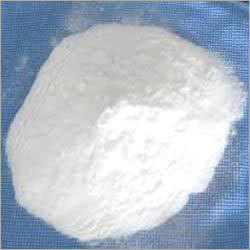
We are reckoned among the trusted manufacturers, exporters and suppliers of impeccable quality Polyvinyl Formal Resins. Also known as Vinylec F, which is the trade name of Poly Vinyl formal, it is a vinyl polymer comprising formal groups & minor amount of acetyl group & hydroxyl group. We offer the product at highly competitive prices in comparison to other market players.
The main characteristics of Polyvinyl Formal Resins are as given below:
-
High softening point
-
Excellent in electrical insulation
-
Superior in mechanical properties, adhesion, abrasion, Plasticity, heat stability & chemical resistance
Technical Specification :
| Type | F 70 | F 150 |
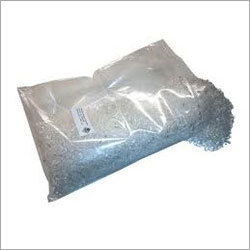
| Form | Light yellow to Buff colored free flowing Granules |
| Volatile Loss (Wt%) | 1.5 max | 1.5 max |
| Acidity (Wt %) | 0.3% max | 0.3% max |
| Av. Molecular wt. | 14,000 to 20,000 | 26,000 to 40,000 |
| Poly Vinyl acetate % wt.(approx.) | 9.5 to 13.0 | 9.5 to 13.0 |
| Poly Vinyl alcohol % wt.(approx.) | 4.5 to 6.5 | 4.5 to 6.5 |
| Poly Vinyl formal % wt (approx.) | 82 | 82 |
| Viscosity*. (cps) | 200 to 500 | 2000 to 5000 |
Viscosity of a 15% solution in 60 : 40 Toluene : Ethanol at 25C.
Outstanding Electrical InsulationPolyvinyl Formal Resin is engineered primarily for electrical insulation, delivering superior dielectric properties that protect sensitive electronic components. This resin is extensively chosen in manufacturing cable coatings, coil windings, and electrical laminates due to its stability, durability, and high purity.
Superior Solubility and Versatile ApplicationThe resins solubility in ethanol, acetone, benzene, and toluene allows for flexibility in processing and formulation. It can be easily blended into adhesives or binders, extending its usability beyond electrical insulation to include specialized industrial and adhesive applications, enhancing product performance.
Safe Storage and Reliable Shelf LifePolyvinyl Formal Resin requires storage in a tightly sealed container, kept dry and well-ventilated, to maintain its properties. Adhering to these guidelines ensures the products optimal effectiveness for up to 12 months from manufacture, maximizing its industrial value and performance.
FAQs of Polyvinyl Formal Resin:
Q: How should Polyvinyl Formal Resin be stored for maximum shelf life?
A: To ensure the full 12-month shelf life, store Polyvinyl Formal Resin in a tightly closed container, in a cool, dry, and well-ventilated area. Avoid moisture and exposure to extreme temperatures to preserve its quality.
Q: What are the primary uses of Polyvinyl Formal Resin?
A: Polyvinyl Formal Resin is predominantly used as an insulation material in the electrical and electronics industries. It also serves as an effective adhesive and binder in various industrial applications, benefiting from its excellent solubility and high tensile strength.
Q: Where is Polyvinyl Formal Resin commonly applied?
A: Common applications include electrical insulation, cable coatings, coil windings, laminates, and specialty adhesives. It is widely utilized in the electrical and electronic manufacturing sectors due to its reliable insulating and bonding properties.
Q: What is the process for using Polyvinyl Formal Resin as an adhesive or binder?
A: To use Polyvinyl Formal Resin as an adhesive or binder, dissolve the powder in an appropriate solvent such as ethanol, acetone, benzene, or toluene. Prepare a suitable concentration according to application needs, then apply to the desired substrate or component.
Q: What benefits does Polyvinyl Formal Resin offer over other insulation materials?
A: Polyvinyl Formal Resin provides outstanding thermal stability, mechanical strength, and resistance to moisture. Its specific solubility and pH balance ensure compatibility with various formulations, resulting in durable insulation and strong adhesive performance.
Q: When should Polyvinyl Formal Resin not be used?
A: Polyvinyl Formal Resin should not be used in applications requiring water solubility or where direct contact with moisture is unavoidable, as it is insoluble in water and can be adversely affected by damp environments.

 Send Inquiry



 Send Inquiry

 Send Inquiry


